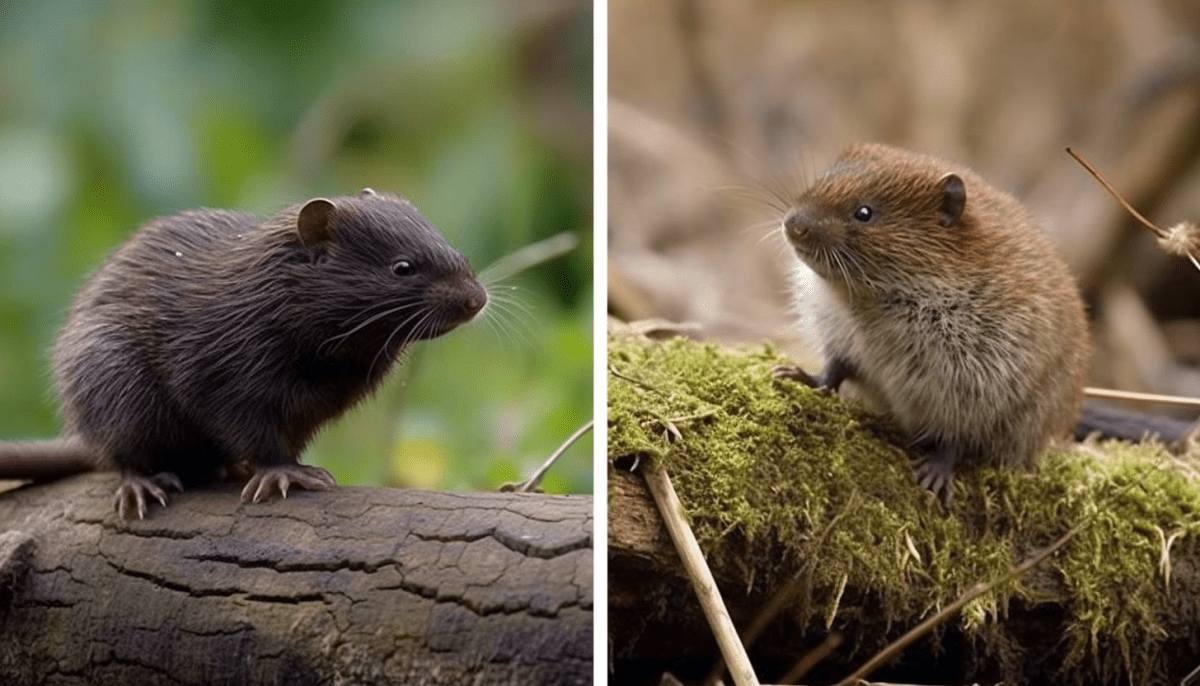
Many yard owners mistake moles for voles in their gardens. Let's look at what makes each one different, so you can protect your yard better.
Moles dig deep with their shovel-shaped front paws. These tiny diggers eat bugs and worms underground, leaving raised lines across your lawn where they tunnel. While their digging might mess up your grass, their tunnels help loosen packed soil. Each mole lives alone and stays in wet, dark dirt.
Voles look just like fat mice with short tails. These plant-eaters chew through roots, grass blades, and garden seeds, leaving damaged plants behind. Groups of voles dig shallow paths near the grass surface, making your garden look lumpy and torn up.
Spotting which one lives in your yard helps you pick the right fix. Watch for these signs: moles push up long dirt lines above their deep tunnels, while voles leave small holes and eaten plants near the ground. Once you know what's in your yard, you can choose the right way to protect your garden.
Signs of Moles and Voles in Your Yard
Your yard shows clear signs when moles or voles move in. Check these spots in your garden to know which tiny visitor digs up your grass.
Moles dig tunnels under your feet. Look for these marks:
- Dirt piles: Fresh piles of soil pop up shaped like tiny volcanoes. When you spot these mounds, a mole just dug nearby.
- Bumpy grass lines: Long, raised lines run through your lawn where moles push dirt up as they dig. These tunnels sit just under your grass.
- Sinking spots: Step across your yard - your foot sinks into soft patches where moles dug their paths below.
Voles leave different marks in your yard:
- Grass paths: Flat trails about two fingers wide run through your lawn. Voles make these paths by running back and forth.
- Bitten plants: Look for teeth marks on your garden plants. Voles chew through stems and roots, leaving small holes behind.
- Little droppings: Tiny brown pellets scatter near their paths. These droppings tell you voles, not moles, live in your yard.
Spot these signs early and you'll know which critter digs in your yard. Different fixes work for moles versus voles, so checking these marks helps you pick the right way to protect your garden.
Effective Control Methods for Moles
Moles mess up nice gardens fast, but you can stop them with these yard tricks. Watch where moles dig their tunnels and hunt for bugs - this shows you right where to focus your work.
Many yard owners set mole traps that work well. Pick either scissor-style or harpoon traps from your garden store. Put these traps right in the fresh tunnels where moles dig most. For a gentler fix, spread castor oil in your yard or plant marigolds - moles hate both and move away fast.
Fix your yard's bug problem and moles leave too. Moles dig where grubs live, so treat your grass for these pests first. Cut your grass at the right height and feed it well - healthy lawns keep moles from moving in.
Try bringing owls and hawks to your yard. Put up owl houses in tall trees, and these birds catch moles naturally. Birds help your whole garden by eating other pests too, making your outdoor space healthier.
Preventing Future Mole and Vole Problems
Keep moles and voles away from your yard for good with these simple yard care steps.
1. Clean Up Your Yard: Cut grass short and pull weeds each week. Moles and voles hide under tall grass, so trim back thick spots where they like to nest.
2. Watch Your Water: Too much water draws moles and voles to your yard. Check your soil - if it feels wet, skip watering that day. Dry soil sends these root-eaters looking elsewhere.
3. Block Their Path: Lay wire mesh around your garden beds. Push it one foot into the ground and leave two inches showing above the dirt. Strong barriers stop moles and voles from tunneling through.
4. Bring in Birds: Hawks and owls hunt moles and voles all day. Put bird boxes high in trees and wooden posts in open spots. These hunting birds keep your yard clear without any work from you.
Start these yard jobs today and moles and voles stay away tomorrow. Small changes to your garden now stop big problems later.